
Blossom House - Deaf Provision 
Welcome to Blossom House
Blossom House is Norbury Manor Primary School’s specialist provision for deaf children. Our aim is to ensure that every child feels included, understood, valued and ambitious about their future.
Children who attend Blossom House are part of the Norbury Manor Primary School community. They learn alongside their hearing peers while also receiving specialist teaching and support tailored to their individual hearing, communication, language and learning needs.
Our children benefit from the best of both worlds: full participation in mainstream school life alongside access to specialist deaf education, communication support and opportunities to develop their deaf identity.
We recognise that every deaf child is different. Our provision is therefore child-centred and responsive to each pupil’s strengths, needs, preferred methods of communication and aspirations.
Understanding Hearing Loss
Hearing loss occurs when sound is not heard in the same way as it is by someone with typical hearing. Children may experience different types and levels of hearing loss, and this can affect children in very different ways.
The main types of hearing loss are:
- Sensorineural hearing loss – caused by changes or damage within the inner ear or auditory nerve.
- Conductive hearing loss – when sound is prevented from travelling effectively through the outer or middle ear. This can be caused by conditions such as glue ear, fluid in the middle ear or problems affecting the eardrum or hearing bones.
- Mixed hearing loss – a combination of sensorineural and conductive hearing loss.
What might hearing loss sound like?
This short video demonstrates how different levels of hearing loss may affect what a person hears.
It is important to remember that deaf children are not one single group. Every child has their own combination of strengths, abilities, communication preferences and support needs.
For some children, hearing loss can affect the development of speech, language and communication as well as listening, attention, working memory, literacy, independence and social interaction. This is why early, specialist and individualised support is so important.
Children may communicate through spoken English, British Sign Language (BSL), Sign Supported English (SSE) or a combination of approaches.
Some children also use hearing technology, including:
- hearing aids;
- cochlear implants;
- bone-conduction hearing devices; and
- personal listening or radio aid systems.
Technology is only one part of supporting a deaf child. At Blossom House, we consider the whole child, including their communication, learning, friendships, emotional wellbeing, independence and deaf identity.
Learning at Blossom House
Children attending Blossom House are fully included within the life of Norbury Manor Primary School.
They belong to a mainstream class and learn alongside their hearing peers while receiving specialist support from our deaf provision according to their individual needs.
Each child has a personalised programme developed in partnership between our Teachers of the Deaf, mainstream class teachers, specialist support staff, families and other professionals.
This enables children to access an ambitious, broad and inclusive curriculum while receiving the specialist teaching and reasonable adjustments they need to participate successfully.
Our approach reflects the wider expectation that inclusive provision should identify and remove barriers to learning while enabling children with SEND to participate fully in mainstream education.
Depending upon individual need, provision may include:
- specialist individual or small-group teaching;
- targeted speech, language and communication work;
- pre-teaching and reinforcement of vocabulary and concepts;
- BSL or Sign Supported English;
- specialist support within mainstream lessons;
- adaptations to teaching and learning resources;
- support with listening, attention and auditory memory;
- development of literacy and language skills;
- support to develop independence and confidence;
- opportunities to learn and socialise with other deaf children; and
- support with hearing technology and personal listening devices.
Our Teachers of the Deaf work closely with class teachers to identify potential barriers to learning and agree the teaching approaches, adaptations and specialist support that will help each child succeed.
We maintain high expectations for every pupil. Being deaf does not limit what we believe our children can achieve.
Communication
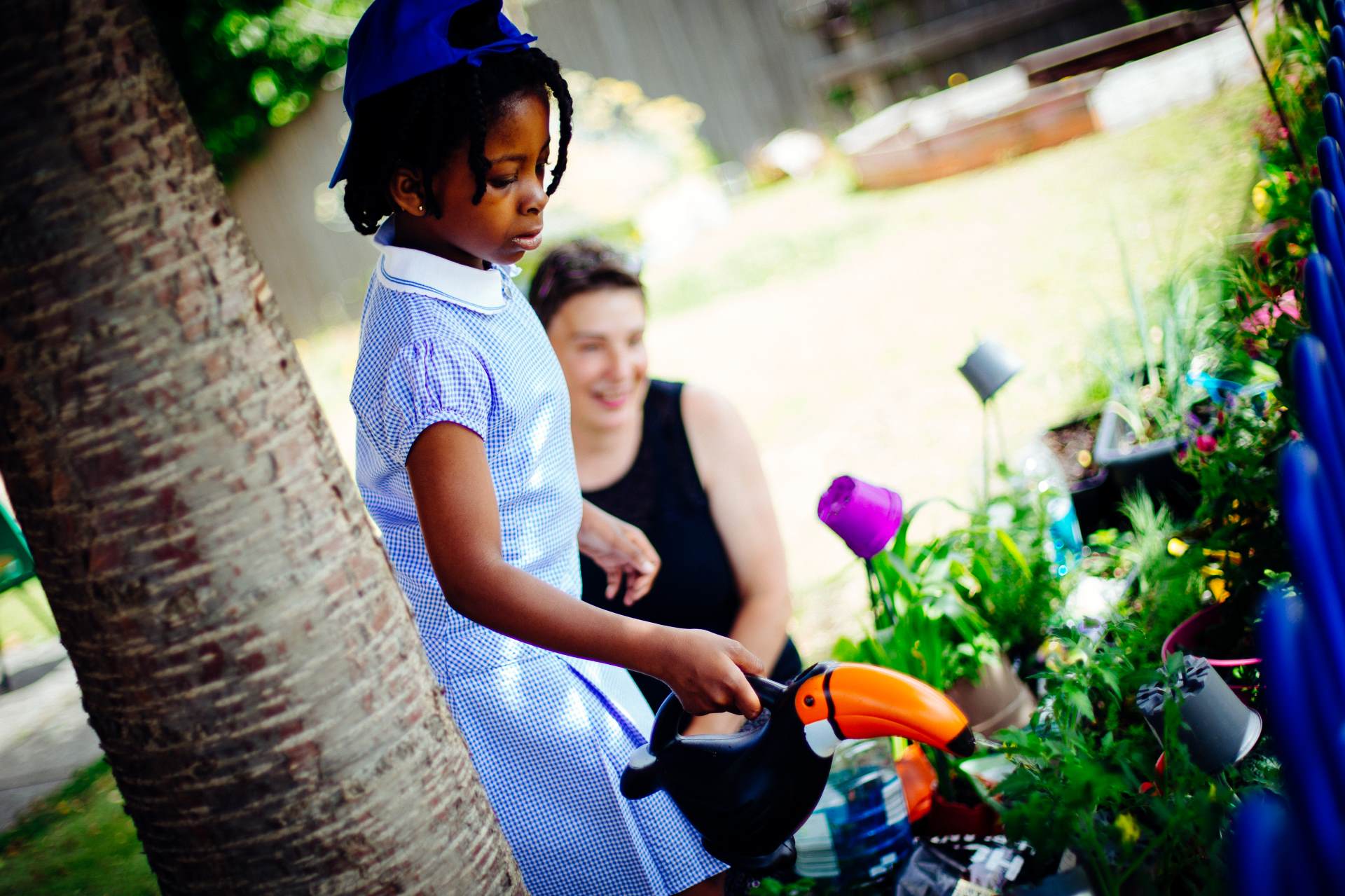
Communication is at the heart of Blossom House.
There is no single communication approach that is right for every deaf child. We therefore use a child-centred approach, taking account of each pupil's communication needs and preferences.
Children may use:
- spoken English;
- British Sign Language (BSL);
- Sign Supported English (SSE);
- visual communication and resources; or
- a combination of approaches.
We want children to become confident communicators who can express their ideas, needs, feelings and opinions and participate fully in school life.
Each child's communication needs and the strategies that support them are shared with the adults working with them and reviewed as their needs develop.
We also promote deaf awareness throughout the wider school. Staff and pupils learn how they can communicate effectively with deaf people, including gaining someone's attention appropriately, ensuring their face is visible when speaking and understanding the importance of the listening environment.
Specialist Staff
Children are supported by an experienced specialist team which includes:
- Qualified Teachers of the Deaf;
- Specialist Teaching Assistants, including staff trained in British Sign Language; and
- other professionals according to individual need.
Our specialist staff work closely with mainstream teachers so that expertise from Blossom House strengthens children's experience throughout the school rather than being limited to the specialist provision.
Mainstream staff also receive deaf-awareness training and guidance so that they understand how to adapt teaching, communication and the classroom environment effectively.
Speech, Language and Communication
Where required, children have access to specialist speech and language support.
The Speech and Language Therapist works collaboratively with the Teachers of the Deaf, school staff and families to support areas such as:
- receptive and expressive language;
- vocabulary development;
- speech production;
- social communication; and
- individual communication targets.
Targets and strategies are incorporated into children's everyday learning wherever appropriate so that communication development is not restricted to individual therapy sessions.
Audiology and Hearing Technology
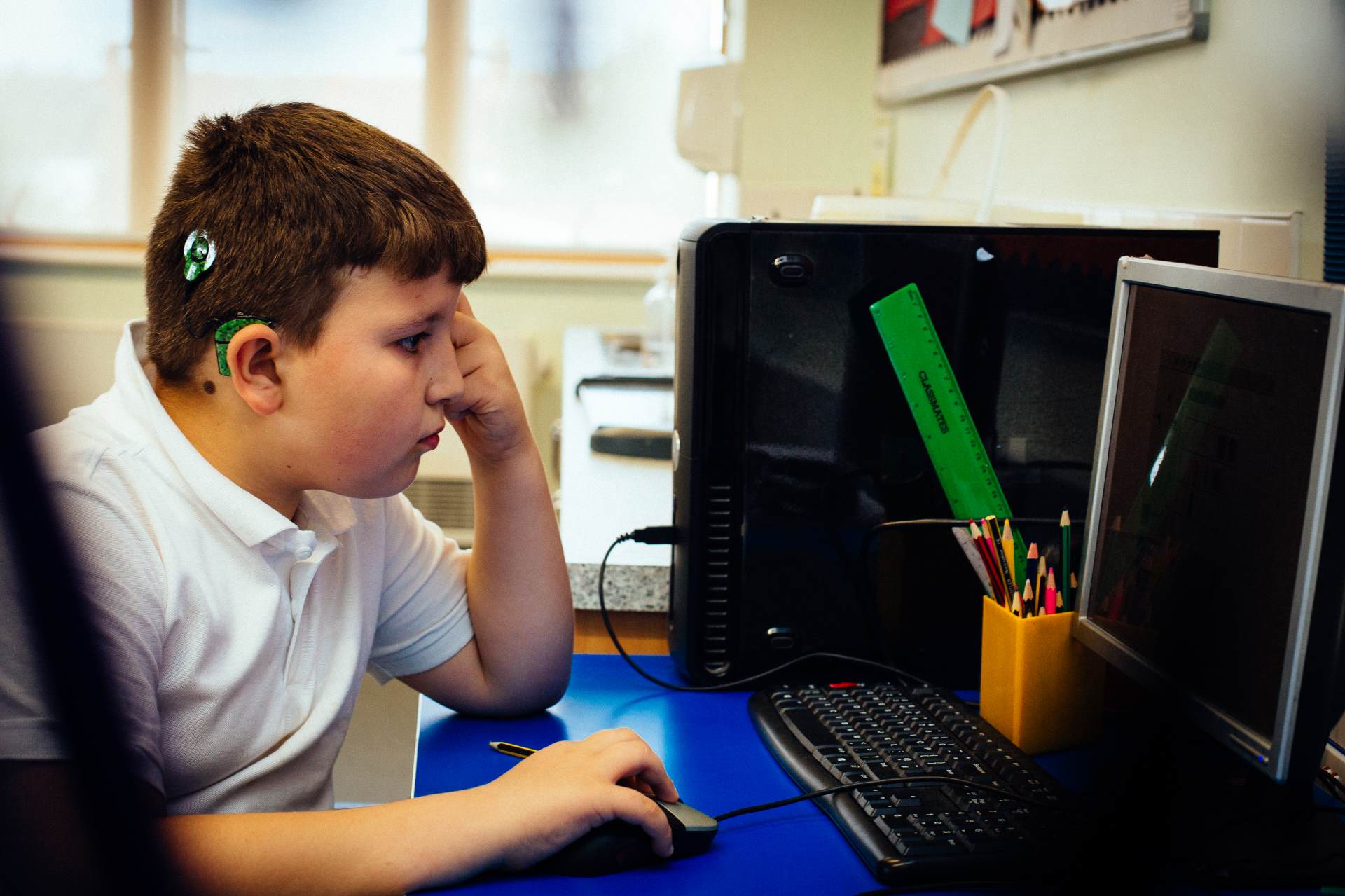
We support children to make effective use of their hearing technology while gradually developing the confidence and independence to manage it themselves.
Children may use hearing aids, cochlear implants, bone-conduction devices and/or personal listening systems.
Equipment is checked regularly, including when children arrive at school, so that problems can be identified quickly.
We also consider the acoustic environment carefully. Staff understand the importance of reducing unnecessary background noise, positioning children appropriately and creating favourable listening conditions.
As children grow older, we encourage them to understand their own equipment, recognise when something is not working correctly and confidently ask an adult for help. Developing this independence is an important part of preparing children for their next stage of education and later life.
Belonging, Identity and Wellbeing
Blossom House is about much more than academic support.
We want our deaf pupils to feel a strong sense of belonging within Norbury Manor while also having opportunities to spend time with other deaf children and develop a positive understanding of their own deaf identity.
Children participate in the wider life of the school alongside their peers, including assemblies, educational visits, enrichment opportunities, leadership roles, celebrations and extracurricular activities.
Friendships and social participation matter. Our aim is for every child to feel that they are not simply accessing Norbury Manor but that they belong here.
Working in Partnership with Families
Parents and carers know their children exceptionally well, and we value them as important partners in their child's education.
We maintain regular communication with families and work together to review children's progress, needs and aspirations.
This may include:
- regular home–school communication;
- parents' evenings;
- contributions to school reports;
- EHCP annual reviews;
- specialist reports and assessments;
- communication through Bromcom MCAS; and
- meetings with school staff and external professionals when required.
Children's own views are also central to this process. We want pupils to understand the support they receive and, as they mature, become increasingly involved in decisions about their education and communication.
Working with Other Professionals
Blossom House works collaboratively with a range of professionals and specialist services according to children's individual needs.
These may include:
- audiology services;
- cochlear implant teams;
- Speech and Language Therapists;
- other Teachers of the Deaf;
- Educational Psychologists;
- Occupational Therapists; and
- specialist emotional and mental-health services, including Deaf CAMHS where appropriate.
This partnership approach helps us consider the whole child rather than individual needs in isolation.
Admissions to Blossom House
Blossom House provides specialist provision for up to 10 deaf pupils.
The provision is primarily intended for children whose main specialist educational need arises from a permanent bilateral moderate to profound hearing loss and who require specialist deaf education in order to access learning successfully.
Children may:
- use hearing aids, cochlear implants or bone-conduction hearing devices;
- use additional personal listening systems;
- have speech, language or communication needs associated with their hearing loss;
- require BSL or Sign Supported English;
- require specialist support to access speaking, listening, reading and writing;
- require additional support with listening, attention, participation or confidence; and/or
- benefit from regular opportunities to communicate and socialise with both deaf and hearing peers.
Admission decisions consider the individual child and whether Blossom House can meet the provision identified for them.
Under the current SEND system, EHCPs remain part of the statutory framework. The Government's proposed SEND reforms are being introduced gradually, and children with existing EHCPs are not expected to experience changes to those plans before September 2030 at the earliest. CBP-10550
Applying for a Place
Families considering Blossom House are welcome to contact us to find out more about the provision and the admissions process.